
-
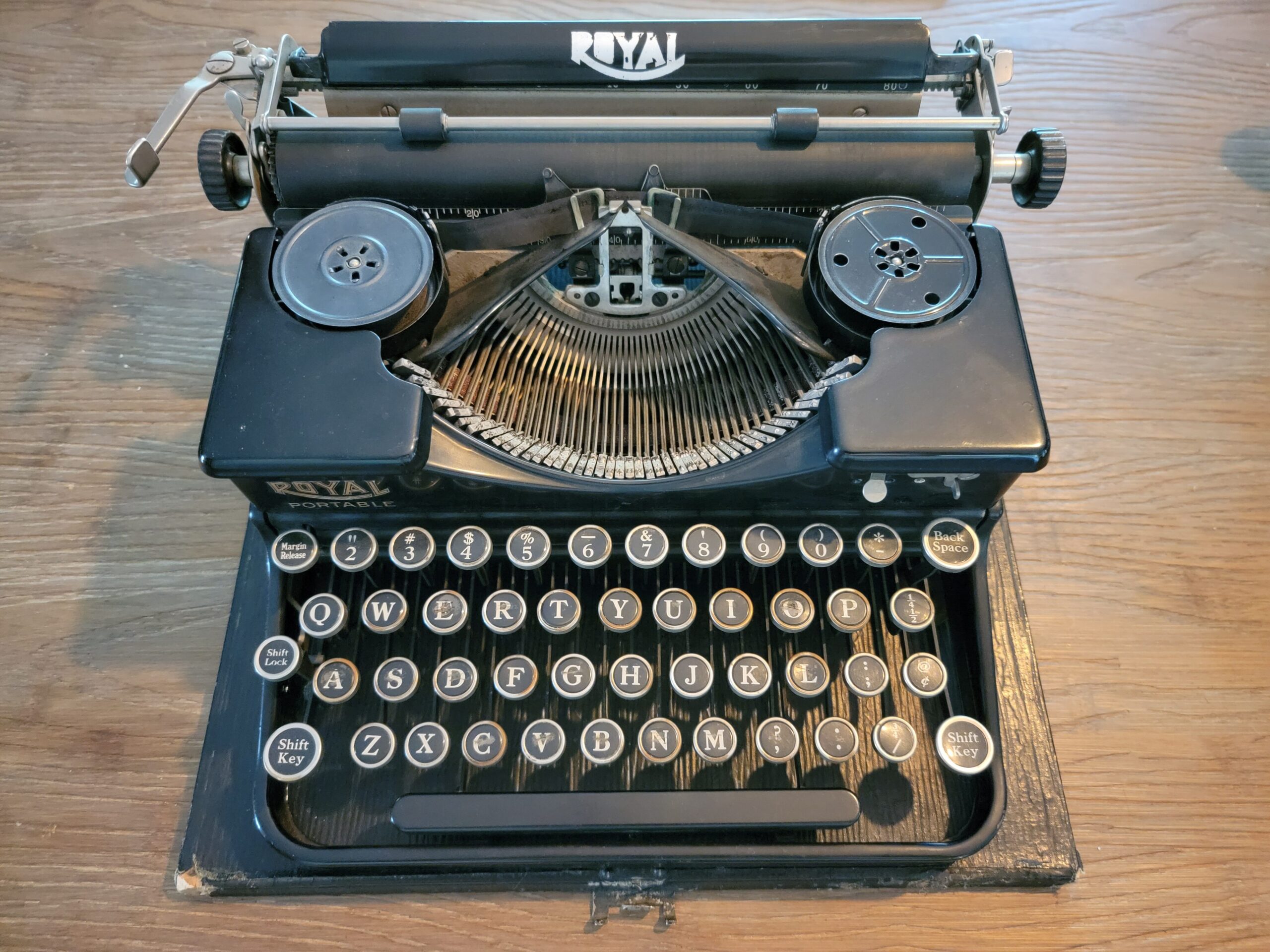
While I’ve been writing professionally for more than a decade, I have written mostly as what is known as a ghostwriter. That is, someone who has ghostwritten articles and website copy. When you think about writers—or just about anyone who creates something from scratch—it’s natural to expect their process to start with an idea and…
-
In school, most of us were taught about the thesis statement. This statement is supposed to be the anchor of any written work, providing direction and focus to the entire piece. It typically shows up at the end of your introduction, stating the main idea you want to get across with the words to come.…
-
“Soup” is one of my favorite words in the English language. It’s such a pleasant word. When you think of soup, it’s comforting. However, the actual meaning of ‘soup’ is pretty cut and dry. This is the Oxford Dictionary’s definition of soup: “a liquid dish, typically made by boiling meat, fish, or vegetables, etc., in…
-
Confessing that I have a mind producing ideas at the rate most of us produce carbon dioxide might sound like humblebrag. But, no, for those like me who truly experience such a plethora of notions, it’s more akin to a peculiar curse. As an Ancient Greek philosopher might have put it, I’m blessed with excessive…
-
Many times during my freelance digital marketing career, I felt it necessary to write a business proposal to send a prospective client. Not only are they not fun to write up, but in my experience, writing business proposals is usually a trap for yourself. Why is writing a business proposal often a waste of time…
-
As a former English major in university, I’m well acquainted with the supposedly noble art of literary criticism. It’s a realm where words are dissected, meanings are invented, and authors are turned into unwitting co-conspirators in the critics’ elaborate game of “Guess What I Think You Meant.” If you’ve ever had the pleasure of reading…
-
There are many tricks we as writers use to defeat writer’s block. Of course, some may work wonders for an individual writer, but leave you utterly frustrated. There’s one tip, however, that’s considered “the ultimate secret for overcoming writer’s block.” It’s a tip that can work for pretty much any writer, whether you’re writing professionally…
-
Edward Said, author of “Orientalism,” shared how learned and imaginative writings are never truly free. They’re tightly bound by distinct boundaries that dictate the imagery employed, the assumptions made, and the intentions behind the writings. Understanding these limitations offers a fresh lens through which to examine and interpret such pieces. Let’s uncover the power of…
-
As someone who writes on so many different topics, it’s sometimes difficult to zero in on what I should write about the most. Writing about writing is only one of dozens of what might be considered as my “expert topics.” Over the years, I’ve written about gaming, home improvement, literature, social media, sports, and much…
-
One persistent piece of writing advice is to write every day. There are a number of reasons for this that make a lot of sense. Then again, a related persistent piece of advice is that if you do this, you’ll eventually run out of writing ideas. Many people think that writing everyday will lead to…